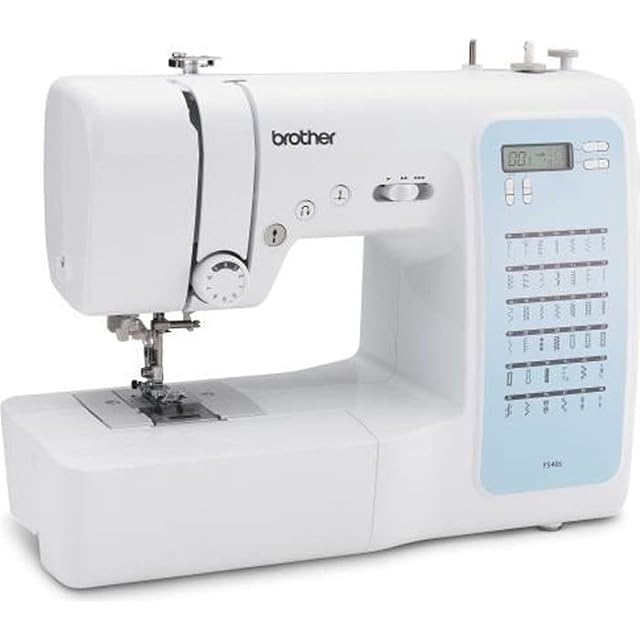
Optimise for setup time, not for square metres. Keep the machine in a case with its foot pedal and cable inside. Keep everything else in one carryable box: needles, bobbins in a compartment box, seam ripper, gauge, scissors, a small selection of thread. Use a table you can clear in one movement. The test is whether you can go from decision to first stitch in three minutes — below that you will sew on weekday evenings, above it you will not.
Questions people actually ask
What matters most in a small space?
How long it takes to start. A machine that lives under a bed in a case, with everything else in one box you can carry, is a machine you will use. One that requires clearing a table and finding four things is one you will not.
Is a portable machine the answer?
Often, provided it is a real machine and not a toy. Below about 3 kg there is no room for a metal frame. A full-size 7 kg machine is still perfectly portable between rooms.
Last reviewed 2026-08-11