Skip to content

The best coverstitch machines for 2026

A coverstitch makes the twin-needle hem you see on every bought T-shirt. We compare dedicated machines against combined overlock/coverstitch units, and are blunt about how long the changeover really takes on the combined ones.

The models we recommend

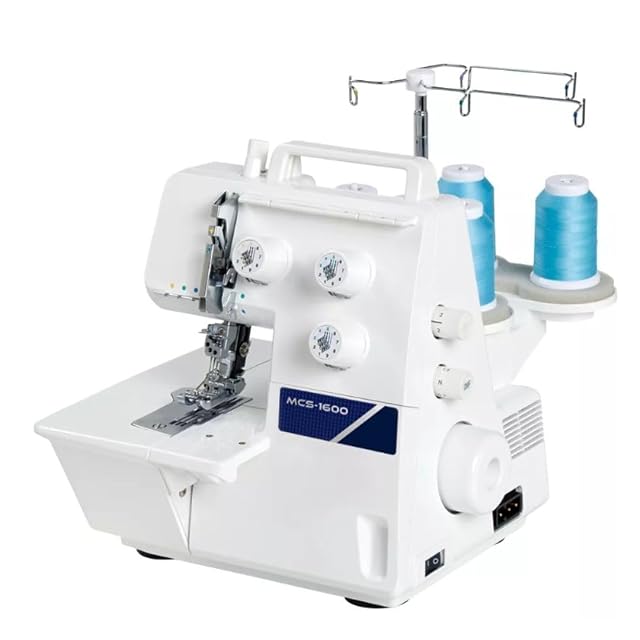
  1. Juki MCS-1500

    3 needles · 1,350 spm · colour-coded threading

    A cover and chain stitch machine with three needles, colour-coded threading guides and a stated 1,350 stitches per minute. Present on five of the six markets we checked — not Spain.

    Best for: Knit garment hems, and the occasional chain stitch for jeans-style seams

    7.8/10

    ≈ $800 / £825 / 1020 €

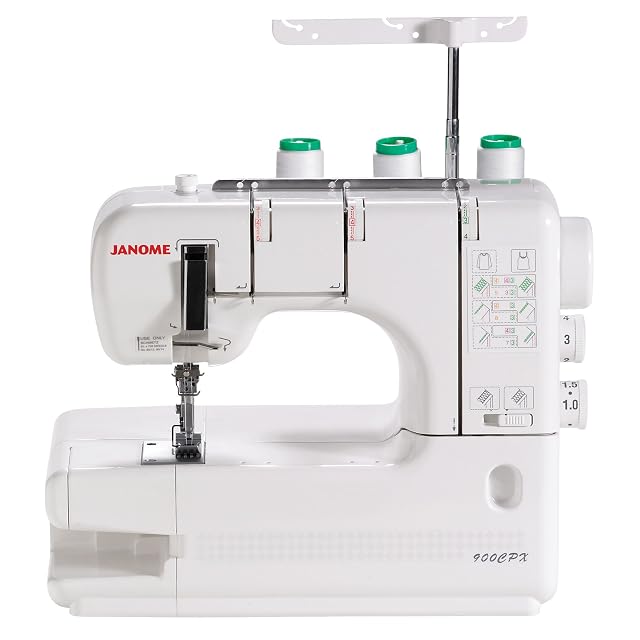
  2. Janome CoverPro 900CPX

    Dedicated coverstitch · 6.8 kg

    A dedicated coverstitch machine — not an overlocker — on one reference across all six markets. Janome publishes almost nothing about it, and we are not filling the gap from memory.

    Best for: Someone who already owns an overlocker and wants twin-needle hems on knits

    6.9/10

    ≈ $570 / 830 €

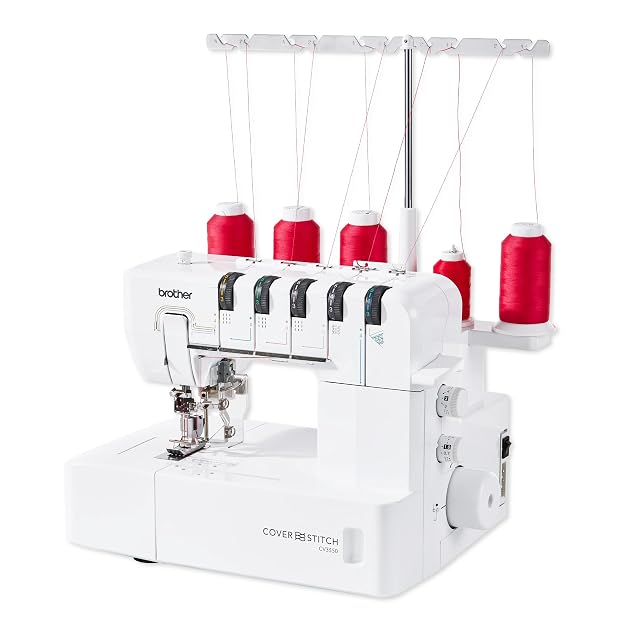
  3. Brother CV3550

    Coverstitch · 7 stitch types · 155 mm arm

    A well-documented coverstitch machine running two to five threads, with a 155 mm throat and differential feed. Five European markets; on amazon.com the search returns an accessory, not the machine.

    Best for: Hemming knits properly, and anyone who has outgrown a twin needle on a normal machine

    9.0/10

    ≈ £600 / 800 €

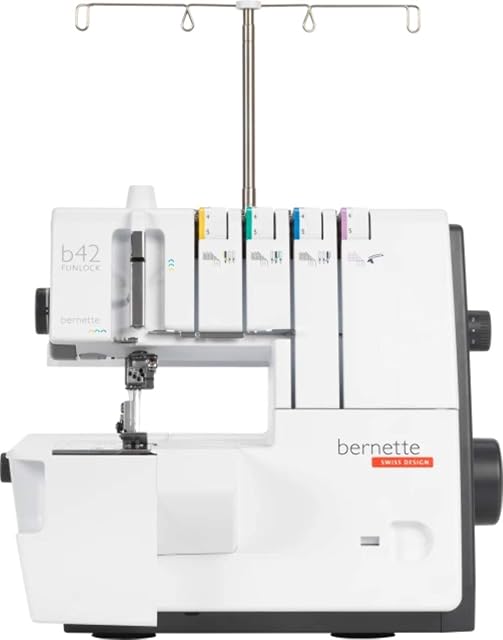
  4. Bernette b42 Funlock

    Coverstitch · looper threader · LED

    A dedicated coverstitch machine — not a combination unit — with a separate needle threader and a looper threading mechanism. One reference on all six markets we checked.

    Best for: Anyone who already owns an overlocker and wants proper twin-needle hems on knits

    8.3/10

    ≈ $700 / £570 / 650 €

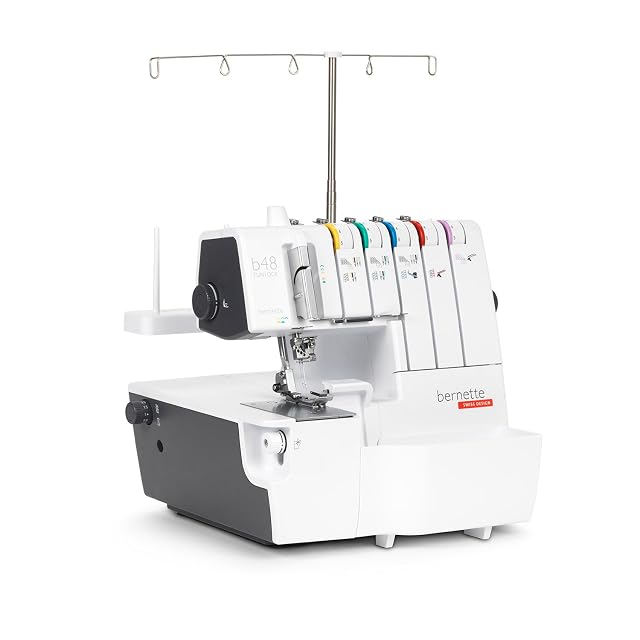
  5. Bernette b48 Funlock

    Overlock + coverstitch + chainstitch · UK and US only

    A combined overlock and coverstitch machine, proven on the UK and US stores only. On the German store the same search returns a set of presser feet, which is the more useful warning.

    Best for: A UK or US buyer who wants both operations without two machines on the table

    6.6/10

    ≈ $1000 / £680

Which one for which need

A machine that stays put in the workshop

A coverstitch machine works fast and vibrates; mass is what holds it in place over a long seam.

Juki MCS-1500

A machine that can be put away

A coverstitch machine serves only for finishes and does not deserve a permanent post in a small room.

Janome CoverPro 900CPX

Who each type suits

Jersey hems
The format's single, sufficient use: the double or triple cover stitch you see on shop-bought T-shirts.
Garment-industry finish
No other domestic machine gives that result. A zigzag or a stretch stitch is a visible approximation of it.
An already equipped workshop
It is the third machine, after the sewing machine and the overlocker. Rarely the second.

The trade-offs to weigh

Specialisation against versatility
A coverstitch machine does one thing and does it perfectly. A hard purchase to justify before you have sewn a great deal of jersey.
Dedicated machine against combination
Overlocker-coverstitch combinations save a machine and impose a reconfiguration at every change, which takes time.
Result against setting up
The cover stitch is superb once set and sensitive to tension and fabric. Trials on offcuts are not optional.

Questions buyers ask

What is a coverstitch machine for?

For the stretch hems you see on shop-bought T-shirts: two or three lines on the surface, a cover stitch on the back.

Is it indispensable?

No. It is a third machine, after the sewing machine and the overlocker, for anyone sewing a lot of jersey.

Can that stitch be imitated another way?

A twin needle on a conventional machine gives an approximation on the surface, without the strength or the stretch of a cover stitch.

Combination or dedicated machine?

The combination saves space and budget, at the price of a full reconfiguration at every change of function. Many end up never changing.

Why does my hem skip stitches?

A needle unsuited to jersey, badly set tension, or fabric pulled too tight at the entry. Ballpoint needles are indispensable here.

How do I finish the seam?

You do not sew backwards: you take the fabric out at the back and knot or pass the threads through to the wrong side. A handling specific to this format.

Do I need particular threads?

Overlocking thread on cones, softer. The looper consumes a lot, so plan a dedicated cone.

How long does it take to get the hang of it?

A few hours of trials on offcuts. The tension setting varies with each fabric, which is disconcerting at first.

What to remember

The coverstitch machine does one thing — the stretch hem of the garment industry — and nothing else really does it. It is a third machine, never a second, and you do not reverse on it: you take the fabric out and knot.

This category at a glance

  • Most affordable here: Janome CoverPro 900CPX, at 570 $.
  • Highest Weight in this category: Juki MCS-1500 (9.0 kg).

Every model compared

Only the specifications at least four models out of five state. A column that is more empty than full compares nothing.

ModelPriceTypeWeight
Janome CoverPro 900CPX570 $Dedicated coverstitch6.8 kg
Brother CV3550600 $Coverstitch, 2 to 5 thread (manufacturer)8 kg
Bernette b42 Funlock700 $Dedicated coverstitch8.62 kg
Juki MCS-1500800 $Cover and chain stitch9.0 kg
Bernette b48 Funlock1000 $Combined overlock, coverstitch and chainstitch (manufacturer, UK/US listings)—

Guides covering this category

Sources and method

Specifications: manufacturer sheets and Amazon product pages. Prices and availability: Keepa. No product on this site has been physically tested.

Most recent revision in this category: August 11, 2026.

How we assess products