Skip to content

The best portable sewing machines for 2026

A portable machine trades power for a carry handle. We compare them on weight, stitch quality at low speed and stability — and separate the ones that do genuine work from the ones that only manage a hem.

The models we recommend

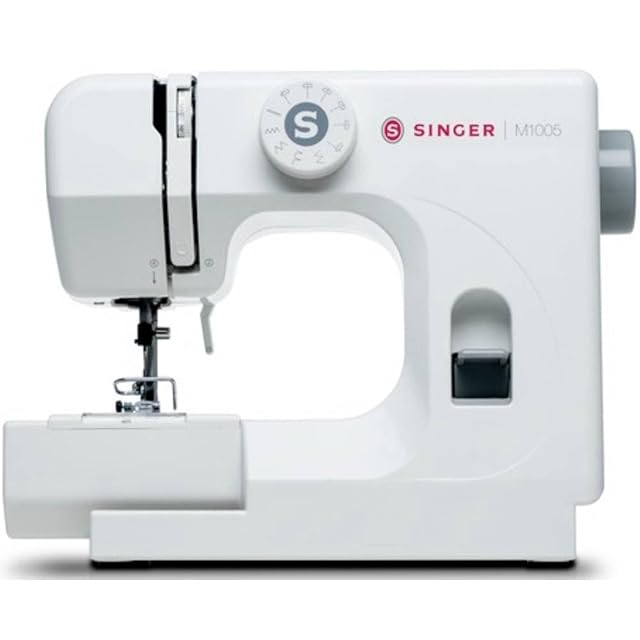
  1. Singer M1005

    Free arm · semi-automatic · compact

    A compact free-arm machine, available under one reference across all five European markets. The most widely available portable machine in our checks.

    Best for: Alterations, repairs and a machine that lives in a cupboard

    7.3/10

    ≈ 100 €

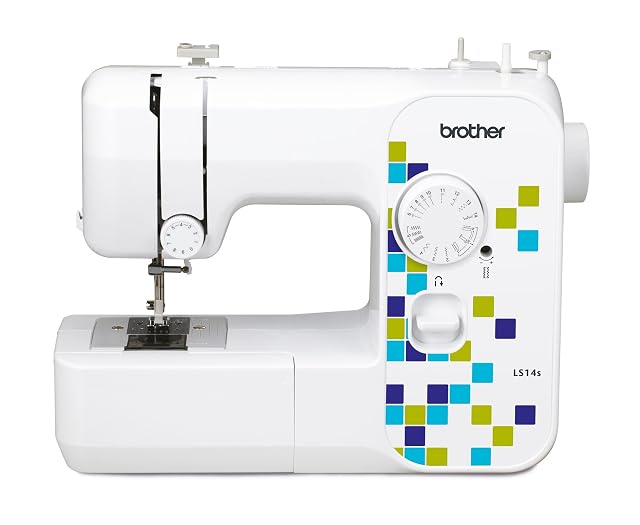
  2. Brother LS14s

    Mechanical · metal chassis · UK listing

    Brother's compact metal-chassis mechanical machine. We found it on the UK store only — and it is the model whose reference Amazon appears to share with the continental JX17FE.

    Best for: A first or second machine in the UK where space is short

    6.2/10

    ≈ £89

Who each type suits

Occasional alterations
A hem, a seam come undone, a button. That is the real use and it calls for no sophisticated machine.
Classes and workshops
Taking your machine to a class is the format's most common use case. The weight decides on its own.
Second machine
A portable left out on a corner of the table gets used far more than a full machine stored in a cupboard.

The trade-offs to weigh

Lightness against stability
A light machine slides and vibrates on fast seams. A non-slip mat makes up for part of the fault.
Compactness against capability
A portable copes badly with thick spots and heavy fabrics. A limit of the format, not a manufacturing defect.
Price against longevity
Very cheap models serve a few projects. A well-made portable costs more and behaves like a real machine.

Questions buyers ask

Is a portable machine enough to start with?

For alterations and hems, yes. For making garments, the stability and the power quickly run short.

Can it sew denim?

A single layer, sometimes. The flat-felled seams of a pair of jeans are out of reach of most compact models.

Batteries or mains?

The mains gives far more consistent torque. Battery machines lose power as they run down.

How do I improve stability?

A non-slip mat under the machine, and a table that does not move. The most effective step with this format.

Are the accessories standard?

Not always: some compact models have proprietary feet and bobbins. Check before counting on shop-bought accessories.

What is the difference from a handheld machine?

A portable is a real miniature sewing machine, with a bobbin and feed dogs. A handheld machine makes a chain stitch that comes undone easily.

Can it be the main machine?

For alterations, yes. As soon as you sew complete garments, stability and getting through thick spots become limiting.

What to remember

The format buys mobility and nothing else: stability and getting through thickness are its structural limits. Prefer the mains to batteries, set it on a non-slip mat, and check whether the feet and bobbins are standard before counting on them.