Skip to content

The best sewing and embroidery machines for 2026

A combination machine promises two workshops on one table. We compare them on the trade-off that decides satisfaction: how good they still are as a sewing machine, and how long the swap between modes takes.

The models we recommend

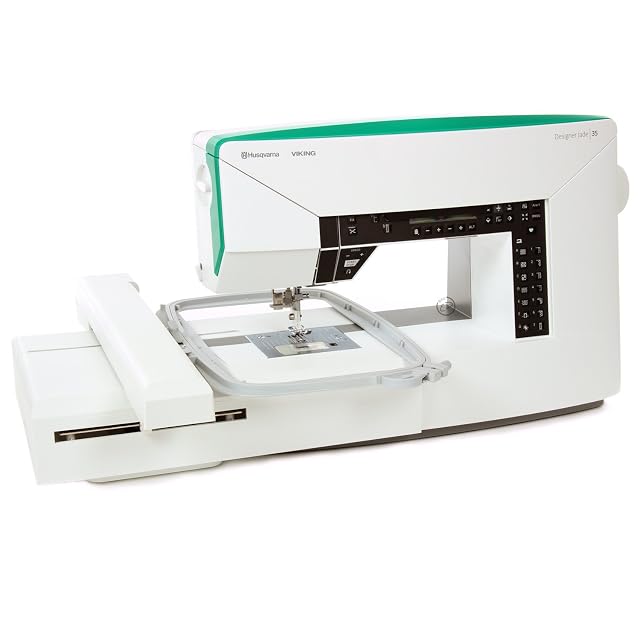
  1. Husqvarna Viking Designer Jade 35

    Sewing + embroidery · 240 × 150 mm hoop

    A combined sewing and embroidery machine supplied with the embroidery module, 120 stitches and a 240 × 150 mm embroidery area. Four continental markets; not found in the UK or the US.

    Best for: Someone who wants to sew and embroider on one machine without buying the module later

    8.0/10

    ≈ 1310 €

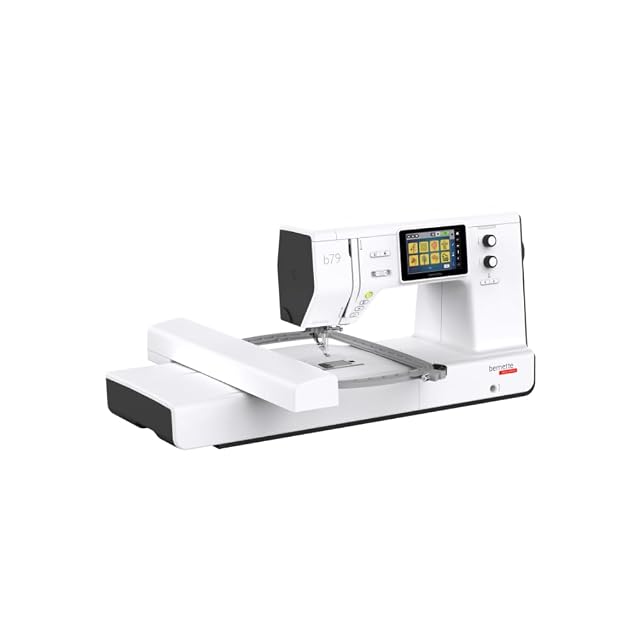
  2. Bernette b79

    Sewing + embroidery · 2 hoops included

    Bernette's combined sewing and embroidery machine, supplied with two embroidery hoops. One reference across all five European markets; absent from the US.

    Best for: Someone who wants embroidery without finding room for a second machine

    7.5/10

    ≈ 2100 €

Who each type suits

Constrained workshop
One machine, one station, one budget. In a small room that is decisive.
Occasional embroidery
If embroidery stays an occasional wish, the combination avoids buying a dedicated machine that would sit idle.
Heavy use of both
Anyone who sews and embroiders a lot ends up wanting two machines, so as not to reconfigure constantly.

The trade-offs to weigh

Two functions against conversion
Moving from sewing to embroidery means fitting the arm and changing the foot and the plate. A few minutes, every time.
Saving against specialisation
A combination costs less than two machines and does each task slightly less well than a dedicated one. An honest compromise.
Complexity against repairability
Two mechanisms in one chassis make a more complex machine. One fault takes out both functions at once.

Questions buyers ask

Does a combination do both well?

Both correctly, less well than dedicated machines at each task. For varied domestic use it is a reasonable compromise.

How long to switch from one mode to the other?

A few minutes: fitting the embroidery arm, changing the foot and the plate. That is what wears people down if they alternate often.

Is the embroidery field smaller?

Often, yes, compared with a dedicated machine of the same range. The limit to check before buying.

Do I need extra accessories?

Hoops sized for the designs you have in mind, stabiliser and embroidery thread. The supplied kit rarely covers every need.

Does one fault block both functions?

Generally yes, since the chassis and the electronics are shared. The risk of the format.

Can I embroider while sewing?

No, it is the same machine. The main argument for two separate machines for anyone who works a lot.

Are designs compatible with other brands?

The file format depends on the brand. Purchased designs come in several formats, to be checked at the moment of purchase.

What to remember

A combination does two things correctly in a single footprint, and slightly less well than two dedicated machines. Allow a few minutes of conversion at every switch — that is what decides whether the compromise holds over time.