Brother's dedicated coverstitch machine: tri-cover, wide and narrow cover stitches up to 6 mm, a chain stitch, lay-in threading, differential feed and a metal frame, at 1,100 stitches per minute.
Where this settles The default first coverstitch machine: proven and metal-framed.
Everything below is either a specification from the Amazon.com listing, cited as such, or our reading of what it means for your sewing.
What Brother states. A coverstitch-dedicated machine with a metal frame and internal parts, 2- and 3-needle cover stitch functions — tri-cover, wide and narrow cover stitches — with a cover width of 3 to 6 mm, a top speed of 1,100 stitches per minute, differential feed of 0.7 to 2.0, a fast thread looper system, color-coded guides and lay-in threading. A standard foot and a hem sewing foot are included.
What a coverstitch does. Two or three parallel rows on the right side and a looper thread on the back, which stretches with the fabric. It is the hem on ready-made T-shirts and leggings, and the binding stitch on necklines. A serger cannot make it — see what a coverstitch is.
Why it is the default. More than 1,200 owner ratings on Amazon.com, the most of any coverstitch machine we rank, and a price well below the Janome and Juki alternatives. Paired with a Brother 1034D serger, it gives a knit sewer both machines for about the price of one premium combination.
What takes practice. Coverstitch tension on light knits, and securing the thread ends at the end of a hem — the chain on the back unravels if it is not tied off. Differential feed helps keep light knits from waving — see what differential feed is.
What it does not have. A knife, serging and a large set of feet. A clear foot and a binder attachment are common additions.
Where we would look before buying. The free arm and the space to the right of the needle if you hem small children’s garments. Our coverstitch machines page compares the alternatives.
What it does, and what it struggles with
Strengths
More than 1,200 owner ratings — the most of any coverstitch we rank
Tri-cover stitch for activewear-style hems
Metal frame and lay-in threading
Compromises
Dedicated machine: no serging
Only two feet in the box
Coverstitch tension takes practice on light knits
Specifications
Type
Coverstitch, 2 or 3 needle
Stitches
Tri-cover, wide cover, narrow cover, chain
Cover width
3 to 6 mm
Maximum speed
1,100 stitches per minute
Differential feed
0.7 to 2.0
Threading
Fast looper system, color-coded, lay-in
Frame
Metal frame and internal parts
Feet included
Standard, hem sewing
Voltage
120 V, US sale only
What sewers ask us
What is a coverstitch for?
Hemming knits: two or three parallel rows of stitching on top and a looper thread underneath, which stretches with the fabric. It is the hem on almost every ready-made T-shirt.
Can it serge?
No. The 2340CV is a dedicated coverstitch machine; it has no knife and does not overlock edges.
What is a tri-cover stitch?
Three needles and a looper, giving three parallel rows on top — the wide, strong hem common on activewear.
Do I need a coverstitch if I have a twin needle?
A twin needle on a sewing machine imitates the look but stretches less and can tunnel. If you hem many knits, a coverstitch is the real thing.
Our score
7.8/ 10
The default first coverstitch machine: proven and metal-framed.
The recorded price, among sewing machines
A reference exists on Amazon.com. Listed is not the same as in stock — availability changes daily.
Details checked on November 4, 2026.
Who buys this one, among sewing machines
Professional-looking hems on T-shirts, leggings and knit dresses
Specifications: the manufacturer sheet for sewing machines and the matching Amazon product page. Prices and availability: Keepa. Every figure on this page names its source.
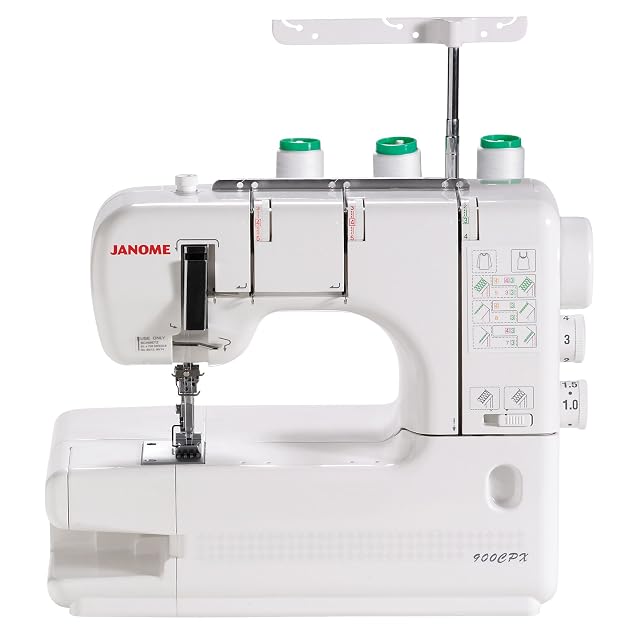
Janome's dedicated cover hem machine, which Janome describes as an industrial-style coverstitch in a home machine: high-speed, long-arm and heavy-duty.
Best for: Knit sewers who want a robust coverstitch with room under the arm
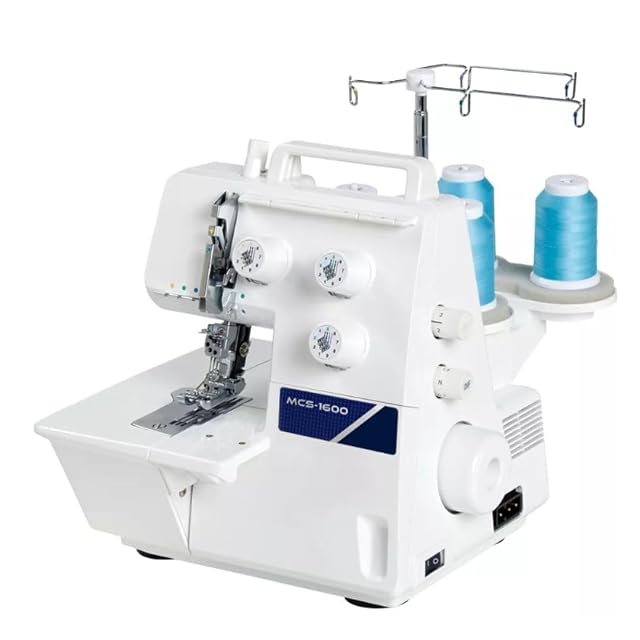
Juki's coverstitch and chain stitch machine: three needles, a 3-thread cover stitch, a 4-thread chain stitch, color-coded threading and 1,350 stitches per minute, with a five-year mechanical warranty.
Best for: Knit and activewear sewers who want cover and chain stitches on a long-warranty machine
3 coverstitches · 2.8 and 5.6 mm · chain stitch · table
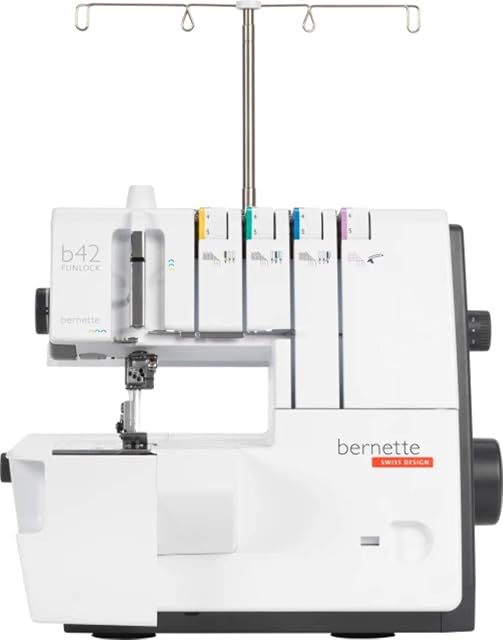
bernette's dedicated coverstitch machine: three coverstitches at 2.8 mm and 5.6 mm widths, a chain stitch, separate needle and looper threading, LED lighting and an extension table.
Best for: A bernette owner adding a coverstitch with dealer support