America's best-known home serger: a 3- or 4-thread machine with a metal frame, a lay-in thread system, a lower looper threader, 1,300 stitches per minute and three snap-on feet.
Everything below is either a specification from the Amazon.com listing, cited as such, or our reading of what it means for your sewing.
Why it is the benchmark. The 1034D carries more than twelve thousand owner ratings on Amazon.com, averaging above four and a half stars — more than any other serger we rank. When people ask “which serger should I start with?”, this is the machine most of them already own.
What Brother states. A 3- or 4-thread serger with a metal frame and interior components, a lay-in thread system with a color-coded upper thread guide and a lower looper threader, and a top speed of 1,300 stitches per minute controlled by the foot pedal. Stitch options: 4-thread overlock, 3-thread overlock, narrow hem, rolled hem and ribbon lock, plus blind hem, pin tuck and flatlock techniques. Three snap-on feet come in the box: standard, gathering and blind stitch.
The threader that matters. The lower looper is the hardest thread on any serger, because it runs behind the needle plate. A lower looper threader removes most of the frustration — see how to thread a serger.
What it does not have. A 2-thread stitch (some sergers use it for light finishes and flatlocking), and air threading. Neither matters much for a first serger.
What it is for. Seaming knits in one pass, finishing woven seam allowances, rolled hems on scarves and napkins, and gathering. Pair it with a sewing machine for construction where fit matters — see can I serge woven fabric.
Where we would look before buying. Whether you want a coverstitch for hems as well: the 1034D does not make one. Read serger or coverstitch first and our sergers page.
What it does, and what it struggles with
Strengths
More than twelve thousand owner ratings on Amazon.com
Lower looper threader — the hardest thread made easier
Gathering and blind stitch feet included
Compromises
No 2-thread stitch
Not air-threading — threading still takes practice
Specifications: the manufacturer sheet for sewing machines and the matching Amazon product page. Prices and availability: Keepa. Every figure on this page names its source.
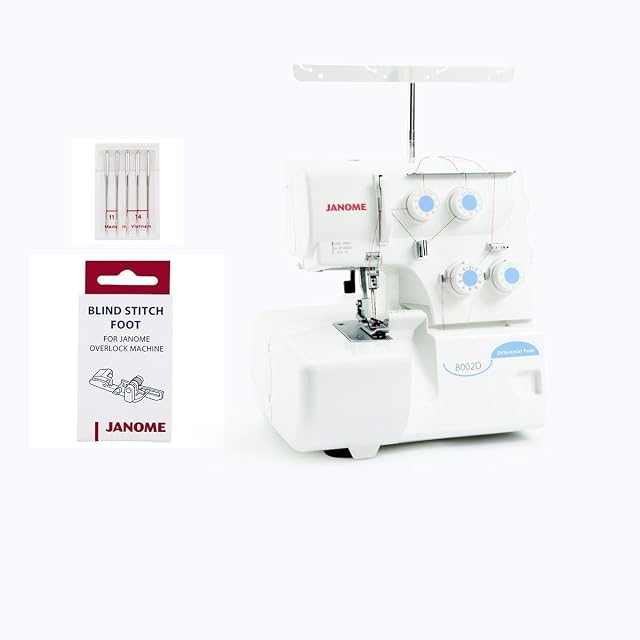
Janome's mechanical entry serger: 3- or 4-thread overlock stitching at up to 1,300 stitches per minute, adjustable differential feed, color-coded threading and clearly marked tension dials.
Best for: A no-frills first serger for knits and seam finishing
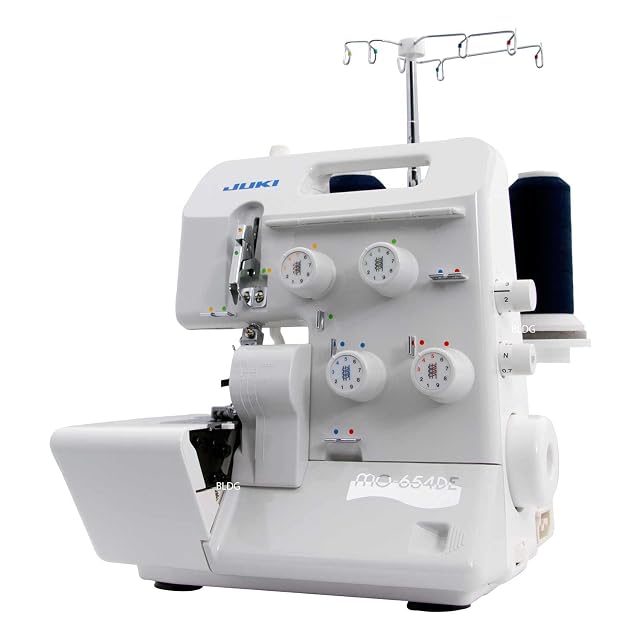
Juki's long-running home serger: 2, 3 or 4 threads, an automatic rolled hem, a breakaway lower looper, a dedicated knife drive, 1,500 stitches per minute and a cover safety switch.
Best for: Knit garments and seam finishing for someone who wants Juki's stitch quality
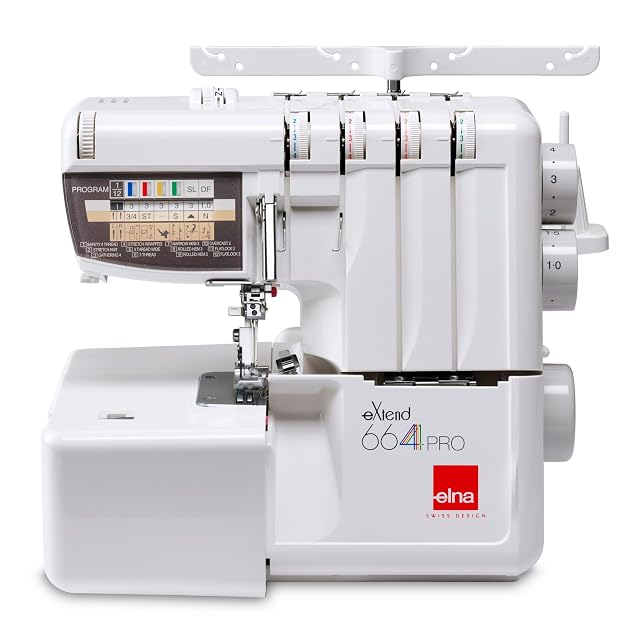
Elna's 2/3/4-thread serger with 12 stitch programs, a lower looper threading device, dials for stitch length and differential feed, a 3–7 mm cutting width and a program display panel.
Best for: A sewer who wants fine control over differential feed and cutting width