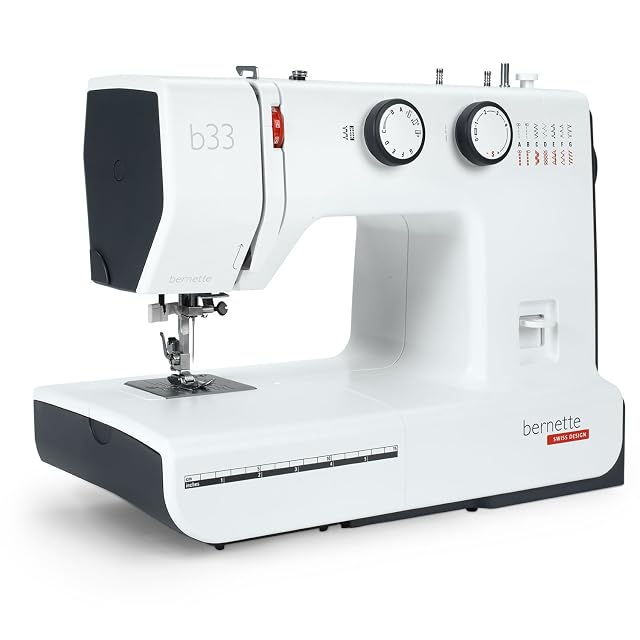
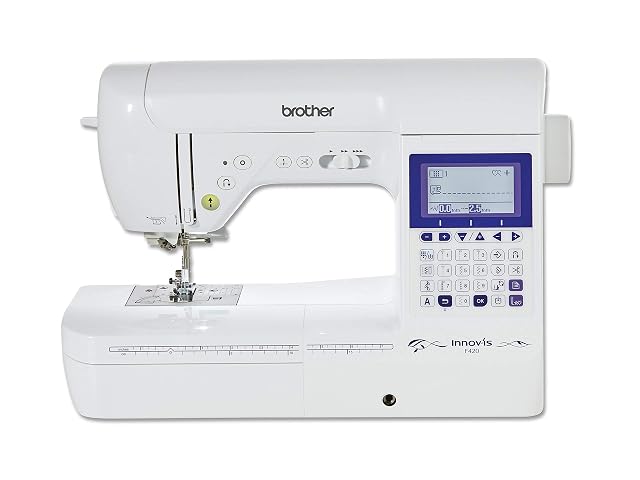
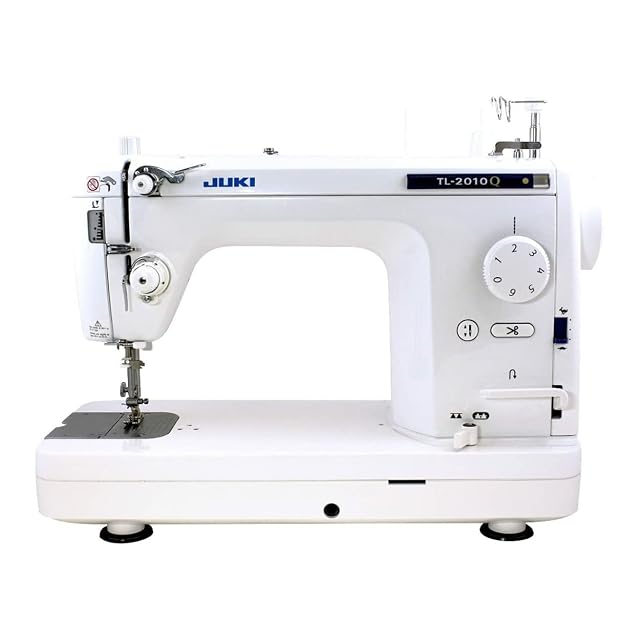
At the bottom you buy a machine that works: a straight stitch, a zigzag, a four-step buttonhole, usually a plastic frame. The next step up buys a metal frame and a one-step buttonhole — the two things that most change daily use. Above that you buy conveniences: needle positioning, thread cutting, more buttonhole styles. Higher still you buy capability: embroidery, wide throat space, industrial speed. Work out which band you actually need before you compare models, because comparing across bands is how people overspend on features and underspend on frames.
Questions people actually ask
Is a more expensive machine easier to use?
Up to a point, yes — automatic buttonholes, needle positioning and thread cutting genuinely remove friction. Beyond that you are paying for stitch libraries and embroidery, which are capabilities rather than conveniences.
Should I buy second-hand?
A serviced mechanical machine from a dealer is often better value than a new budget machine, because you get a metal frame and a workshop behind it. An unserviced private sale is a gamble on timing you cannot assess without sewing on it.
Last reviewed 2026-08-11