Not to start. A regular sewing machine can sew every garment you will make in your first year. A serger makes many of them faster and neater.
What a serger does
A serger — called an overlocker in Britain — trims the edge, sews the seam and wraps it in thread in one pass, using three or four threads and two loopers. The result is the stretchy, enclosed seam you see inside store-bought T-shirts.
What a sewing machine can already do
- Finish edges with a zigzag or overcast stitch, and an overcast foot.
- Sew knits with a ballpoint needle and a stretch stitch — see sewing knits on a normal machine.
- Enclose seams with French seams or flat-felled seams on woven fabric.
None of that needs a second machine; it just takes longer.
When a serger is worth buying
- You sew knits regularly — T-shirts, leggings, activewear. This is the strongest reason.
- You make a lot of garments and finishing seams has become the slow part.
- You want seams that look professional inside and do not fray in the wash.
- You sew fabrics that fray badly, such as linen and loose weaves.
When it is not
- You mostly quilt: quilting seams are enclosed and need no finishing.
- You sew bags, home décor or mending.
- You are still learning to sew a straight seam.
What a serger cannot do
It cannot sew a seam set in from the edge, topstitch, sew buttonholes or insert a zipper. You still need a sewing machine.
Which one
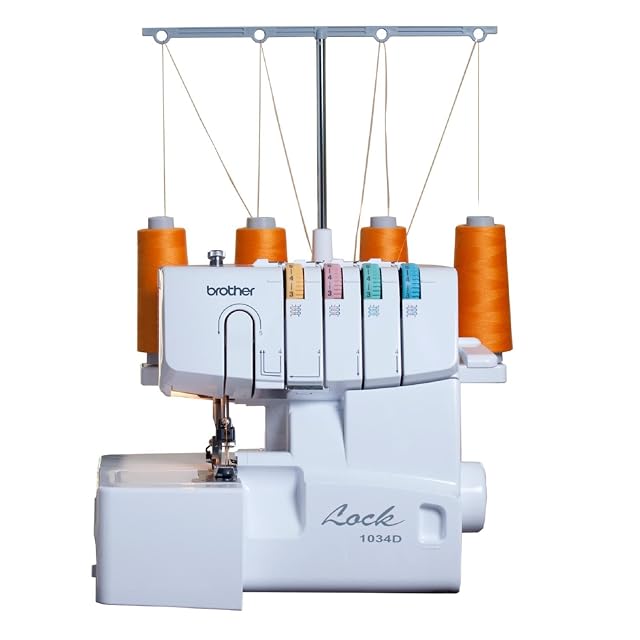
- Brother 1034D: the most-reviewed home serger on Amazon.com, 3- and 4-thread stitches, color-coded threading and a lower looper threader.
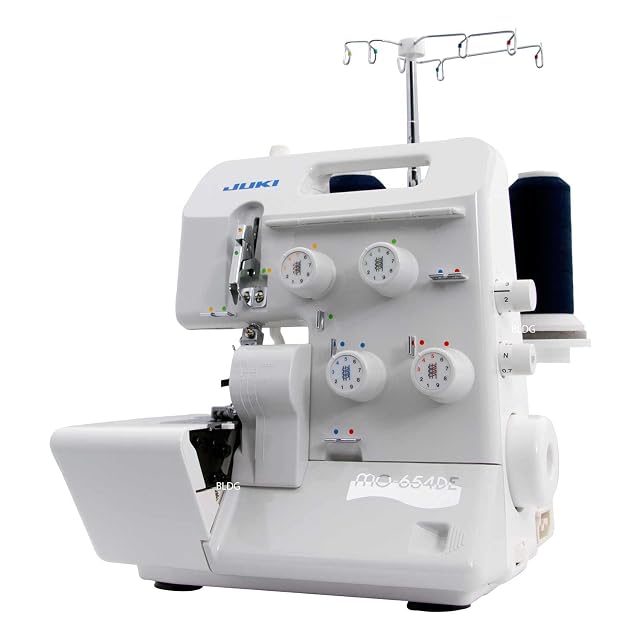
- Juki MO-654DE: 1,500 stitches per minute, 2-thread stitching and an automatic rolled hem.
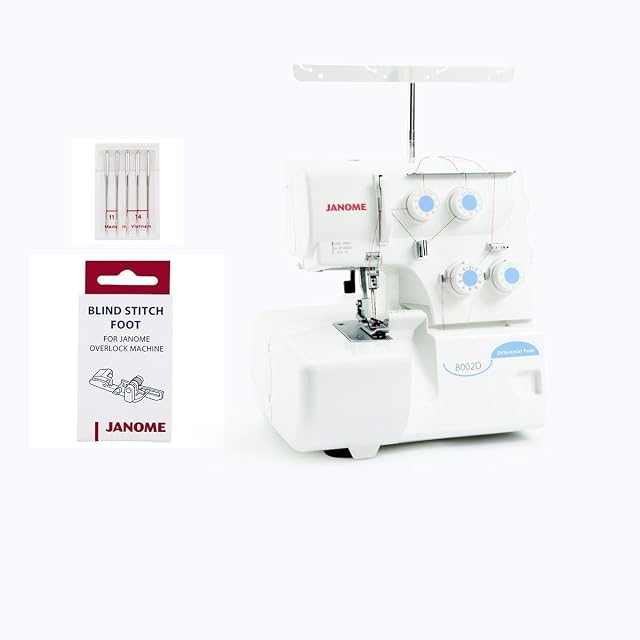
- Janome 8002D: a simple, solid serger from a brand with a large dealer network.
Our sergers page compares them with the bernette Funlock models, and serger parts lists the needles and feet that fit.
Look after it
Sergers make lint. Brush them out after each project and oil where the manual shows — see looking after a serger.
And the coverstitch?
The hem on a T-shirt — two parallel rows on top, a looped thread underneath — is a coverstitch, not a serger stitch. Buy a serger first; add a coverstitch machine only if you hem many knits.
What sewers ask us
Can a serger replace a sewing machine?
No. A serger cannot sew a regular straight seam set in from the edge, topstitch, sew buttonholes or insert a zipper. It is a second machine, not a substitute.
Can I sew knits without a serger?
Yes. A ballpoint or stretch needle with a narrow zigzag or a stretch stitch on a regular machine works well. A serger is faster and more professional, not required.
Is a serger hard to thread?
Harder than a sewing machine: there are usually four threads and two loopers. Color-coded guides and a lower looper threader, as on the Brother 1034D, make it easier.
Should I buy a serger or a coverstitch machine?
A serger first. It finishes seams on everything; a coverstitch only hems and binds knits. Our coverstitch page explains when the second one is worth it.
Last reviewed