The difference is not quality. It is how you choose the stitch, control the speed and get the machine repaired.
Mechanical machines
Stitches are selected with dials, and the motor speed follows the foot pedal alone.
- Simple: a dial for the stitch, one for length, sometimes one for width.
- Durable: few electronic parts to fail.
- Cheaper to repair: most technicians can service them.
- Usually cheaper at the same build quality.
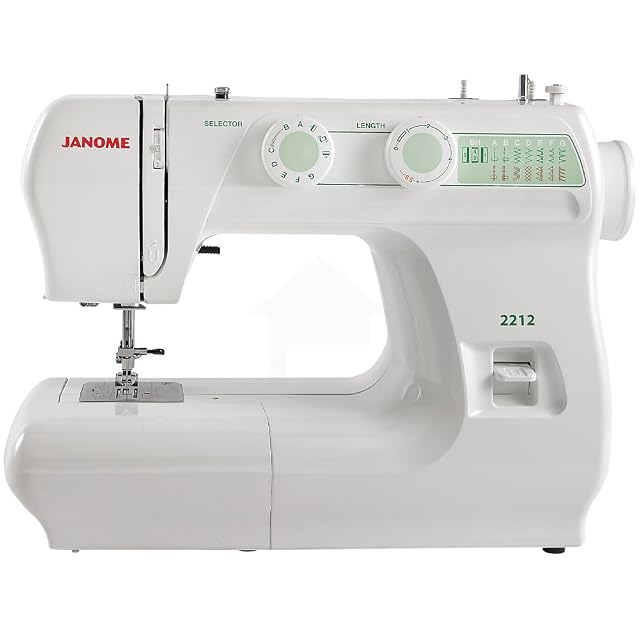
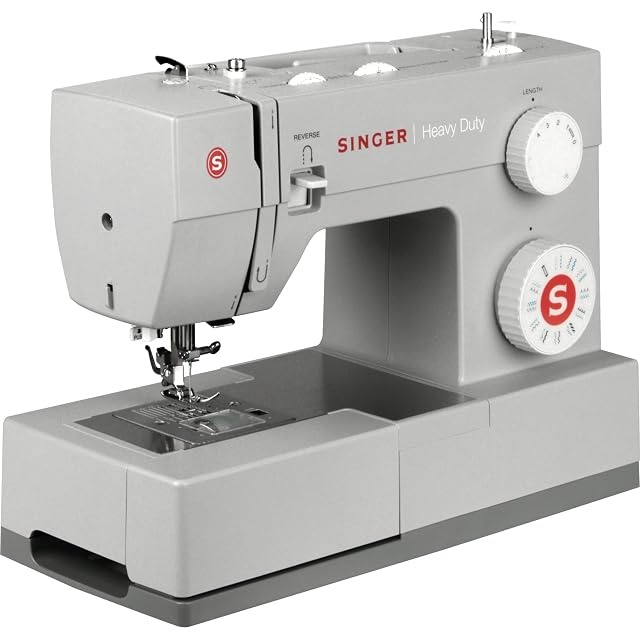
Examples: the Janome 2212, with 12 stitches, and the Singer Heavy Duty 4423. See our mechanical machines.
Computerized machines
Stitches are chosen with buttons and a screen, and electronics control the motor.
- Speed control: a slider limits the maximum speed — valuable for beginners and precise work.
- Needle up/down: the needle stops in the fabric, so you can pivot at corners.
- Start/stop button: sew without the foot pedal.
- One-step buttonholes, often several styles.
- Many stitches, including decorative ones and sometimes lettering.
- Full motor power at low speed on many models, which helps on thick seams.
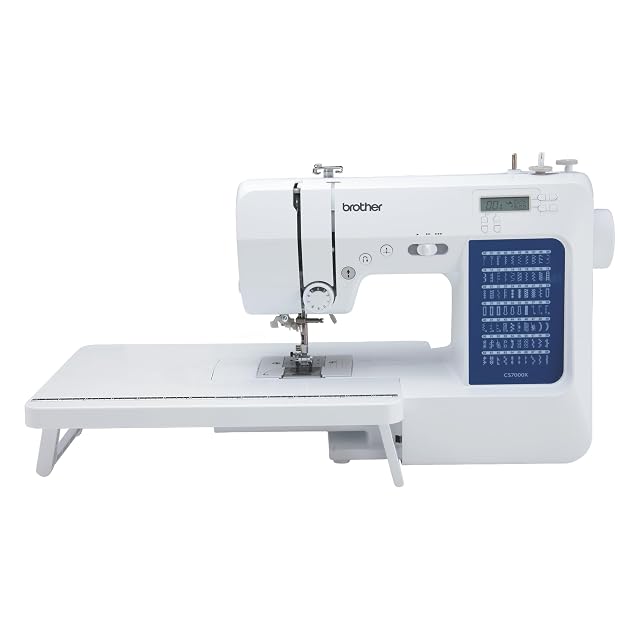
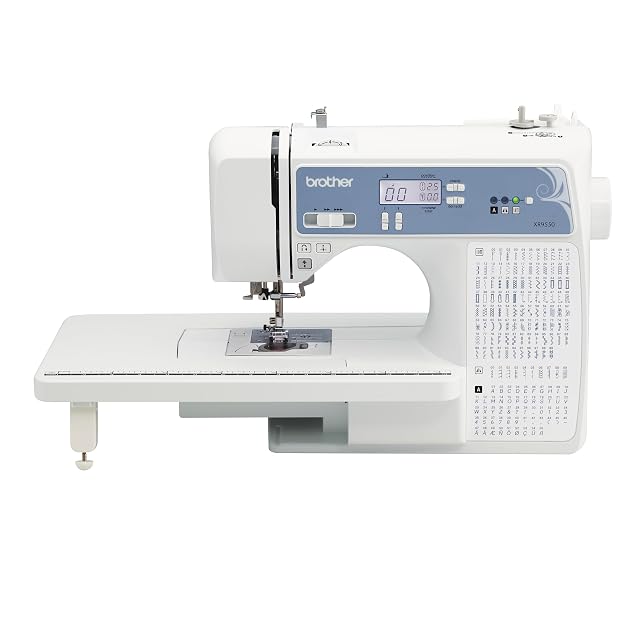
Examples: the Brother CS7000X and XR9550. See our computerized machines.
Which suits you
Choose mechanical if you:
- sew mostly straight seams, mending, home décor or bags;
- want a machine that is easy to keep running for decades;
- prefer dials to menus.
Choose computerized if you:
- make garments with buttonholes;
- want speed control while learning;
- quilt and value needle-down and a start/stop button;
- want decorative stitches.
The middle ground
Some mechanical machines now have one-step buttonholes, and some heavy-duty machines combine a metal frame with computerized controls — the Singer 6800C is an example. The Next Evolution Singers, such as the 4523, add speed control to a mechanical design.
Repairs over the years
A mechanical machine that stops sewing usually needs cleaning, oil or a timing adjustment, which most technicians can do. A computerized machine can also fail on a circuit board or a screen, and those parts are model-specific. Buy from a brand with a dealer or service network near you if you choose computerized.
What matters more than either
- Frame and feed: a metal frame and even feeding matter more than the controls.
- The stitches you will use: almost all sewing uses a handful — see do I need hundreds of stitches.
- Service: a dealer nearby matters more for a computerized machine.
The short version
Mechanical for simplicity and longevity; computerized for control and garments. Either one, well built, will outlast your first years of sewing — see how much to spend on a sewing machine.
What sewers ask us
Is a mechanical sewing machine better for beginners?
Not necessarily. A mechanical machine is simple and robust; a computerized machine's speed control and needle-down button can make learning easier. Both work for beginners.
Are computerized machines less durable?
They have more electronic parts that can fail and cost more to repair, but a well-built computerized machine lasts for years. The frame and feed matter more than the controls.
Can a mechanical machine sew buttonholes?
Yes. Many have a four-step or one-step buttonhole. Computerized machines usually offer several one-step buttonhole styles.
Which is better for quilting?
A computerized machine with speed control, needle down and a wide throat is easier for quilting. A dedicated straight-stitch machine is better still for serious quilters.
Last reviewed