Sometimes the machine you read about simply is not sold in the US. European sewing magazines, YouTube channels and forums often feature models that only exist in Europe or Asia. Before you import one, it helps to know what you give up.
Check the US range first
Most brands sell a different line-up in each market, often under different model numbers. A machine that “does not exist here” may have a US sibling with the same mechanism and a different name. Check the manufacturer’s US site, then Amazon.com and a local dealer. Our machine reviews only list models sold on Amazon.com, and each category page — beginner, mechanical or heavy-duty — shows US-market alternatives.
Power: the first technical problem
US outlets supply 120 V at 60 Hz. Most European and many Asian machines are built for 220–240 V. Look for the rating plate on the machine or on the foot pedal:
- 120 V or 100–240 V: it can run on a US outlet, with a plug adapter if needed.
- 220–240 V only: it needs a step-up transformer rated well above the machine’s wattage, or it will not run properly.
A transformer is another box on the table, another cable and another thing that can fail. For a machine you will use every week, that matters.
Warranty and service: the real cost
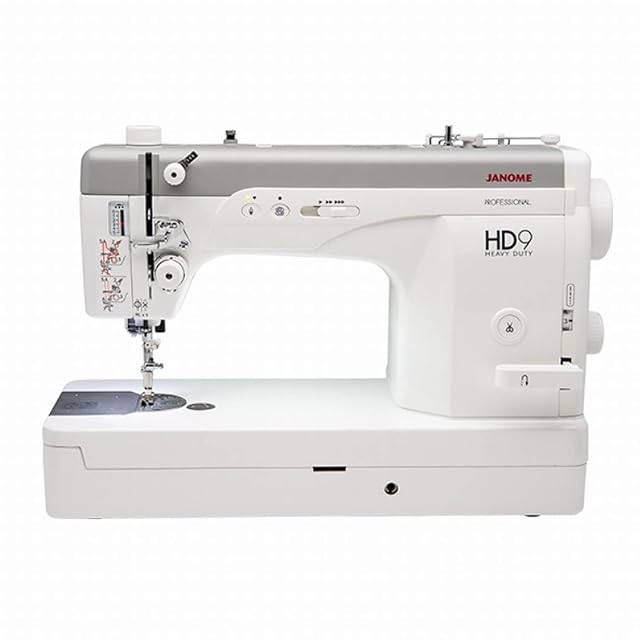
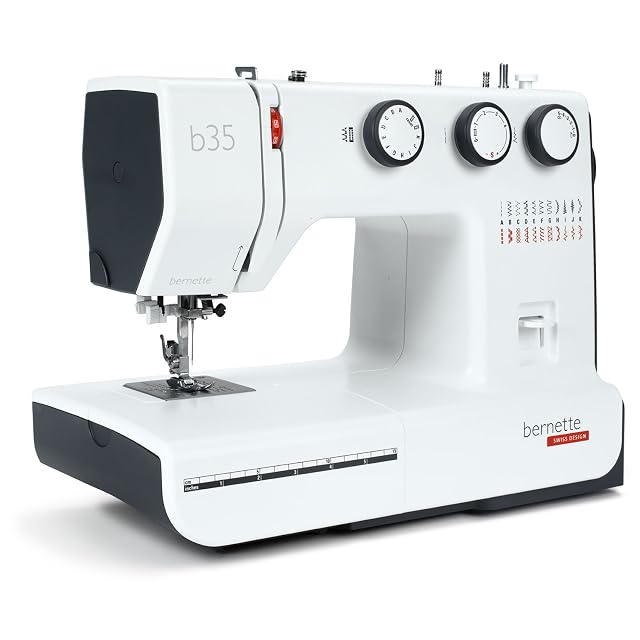
Manufacturers warrant machines through national distributors. A machine bought abroad is normally outside the US warranty, and a US dealer may decline to service a model they do not sell or have parts for. On a cheap machine that may not matter. On a machine you expect to keep for fifteen years — a Janome HD9 or a bernette — the dealer is much of what you pay for.
Parts, feet and manuals
Presser feet, bobbins and needles are often standard across markets: most home machines use 130/705 H needles, and many snap-on feet are interchangeable. Model-specific parts — motor boards, bobbin cases, light units — are where imports get expensive. Check that an English manual is available before you buy.
When importing does make sense
- The model genuinely has no US equivalent and you need its specific feature.
- You already have a technician willing to service it.
- The machine is mechanical, with fewer electronic parts to fail.
What we recommend
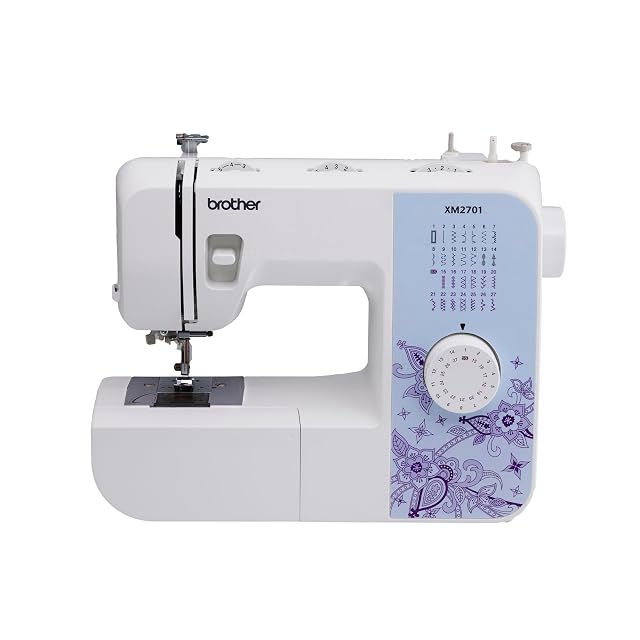
In order: buy the US version; buy a stocked equivalent; buy from a dealer who imports properly with a warranty; and only then import it yourself. For most sewers the second option is the best — an XM2701 or a bernette b35 is easier to live with than an import nobody can fix.
What sewers ask us
Will a European sewing machine work in the US?
Only with the right power supply. European machines are generally built for 220–240 V; US outlets supply 120 V. Check the rating plate on the machine or foot pedal before ordering, and use a correctly rated step-up transformer if it is not 120 V.
Does the warranty follow the machine?
Usually not. Manufacturers warrant machines through their national distributors, and a machine bought abroad is normally outside the US distributor's warranty and dealer network. Read the listing and the manufacturer's US warranty terms before buying.
Why does the same brand sell different models in the US?
Distributors choose ranges by market, and the US range is often sold under different model numbers. Brother, for example, states that its US machines are designed for 120 V and intended for sale in the US.
Are imported listings on Amazon.com a warning sign?
Not necessarily, but read who the seller is, the stated voltage, and whether the manual is in English. A listing translated from another language, with no voltage and no US warranty, is one we would not buy a machine from.
Last reviewed