Skip to content

Mechanical or computerised — the honest comparison

One feature genuinely justifies the step up. The other four hundred are on the box because they fit on a box.

Mechanical: fewer parts, nothing to go out of date, repairable almost anywhere, and a four-step buttonhole you have to judge yourself. Computerised: a measured one-step buttonhole, precise needle positioning, often a thread cutter — and a stitch library you will use a tenth of. If you make garments with buttonholes, the step up pays for itself in ruined plackets avoided. If you hem curtains and repair jeans, it does not.

Questions people actually ask

What does computerised actually add?

A one-step buttonhole that measures your button, needle up/down positioning, and usually an automatic thread cutter. Those three change daily use. The stitch library does not.

Are computerised machines less reliable?

They have more that can fail electronically and less that a general repairer can fix mechanically. In practice both types last well; the difference matters most if you are far from a dealer.

Last reviewed 2026-08-11
The gear this assumes

Everything above works with what you already own. These are the products we would reach for, and each links to the full review rather than straight to a shop.

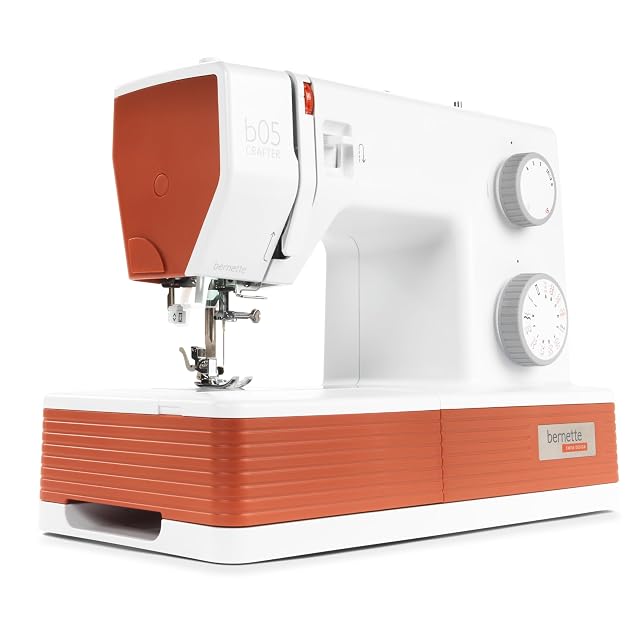
  • Bernette b05 Crafter

    Mechanical · portable · Bernina network

    Bernette's portable mechanical machine, and one of only three products on this site available under a single reference on all six Amazon stores.

    Best for: Dressmaking and everyday sewing where stitch quality matters more than power

    ≈ $350 / 400 €

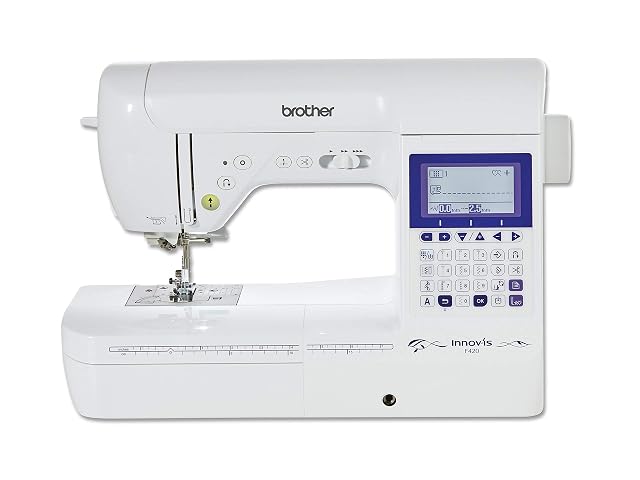
  • Brother Innov-is F420

    140 stitches · 3.5" LCD · thread cutter

    Brother's upper-mid computerised machine: 140 stitches, ten buttonhole styles, an automatic thread cutter and a 3.5-inch screen. One reference across the whole of Europe, absent from the US.

    Best for: Garment sewing where buttonholes and finish matter more than raw power

    ≈ £695 / 1050 €