Skip to content

Do you actually need an overlocker?

The honest answer is: only if you sew knits, or if unfinished seam allowances bother you more than the price does.

If you sew wovens and finish your seams with a zigzag or pinking shears, you can wait — and you may never need one. If you sew jersey, an overlocker changes what you can make rather than how nicely you make it. Buy it after a sewing machine you are happy with, never instead of one, and choose it almost entirely on threading: a machine you cannot re-thread confidently is a machine that stays in its box, whatever its stitch quality.

Questions people actually ask

What can an overlocker do that a sewing machine cannot?

Trim, enclose and stitch a seam in one pass, and do it on stretchy fabric without waving. A sewing machine can zigzag a raw edge and it holds perfectly well — it just takes two operations and does not look the same.

Should I buy the overlocker or a better sewing machine first?

Sewing machine, almost always. An overlocker is a second machine; it cannot make a garment on its own, because it cannot topstitch, sew a zip or make a buttonhole.

Last reviewed 2026-08-11
The gear this assumes

Everything above works with what you already own. These are the products we would reach for, and each links to the full review rather than straight to a shop.

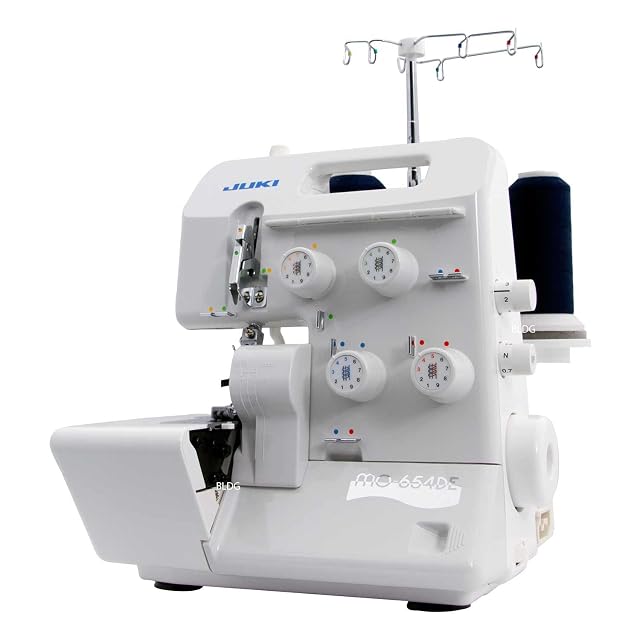
  • Juki MO-654DE

    2/3/4 thread · 34 × 27 × 29.5 cm

    Juki's domestic overlocker, available under one reference on all six Amazon stores — and the product that exposed a flaw in our own verification method.

    Best for: A first overlocker for knit garments and professional seam finishes

    ≈ 625 €

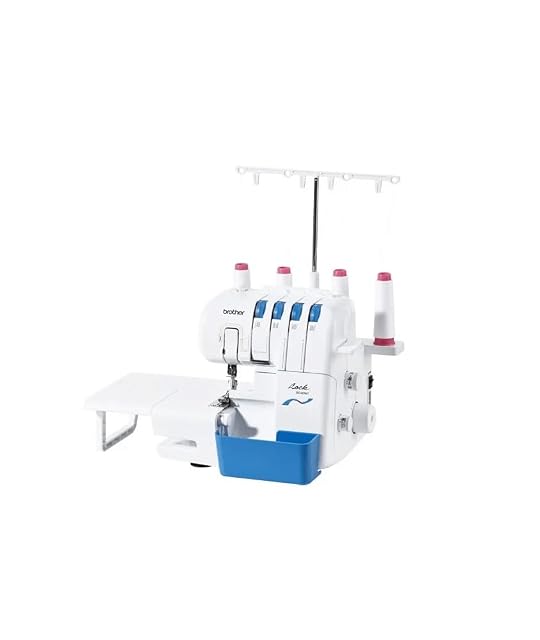
  • Brother 3034DWT

    3/4 thread · extension table · 3 extra feet

    A 3- and 4-thread overlocker sold with an extension table and three additional feet included. One reference across all five European markets, absent from the US.

    Best for: A first overlocker for knit garments, where the included table and feet remove the usual follow-up purchases

    ≈ £350 / 515 €